


Distress beacons
Emergency position indicating radio beacons (EPIRBs) and personal locator beacons (PLBs) are small electronic devices that help direct search and rescue efforts.
They should be kept in good condition and in an easily accessible location.
While a PLB is a recommended piece of safety equipment, it does not satisfy the requirement to carry an EPIRB. Check when you need an EPIRB by using our online safety equipment checker tool.
What is an EPIRB?
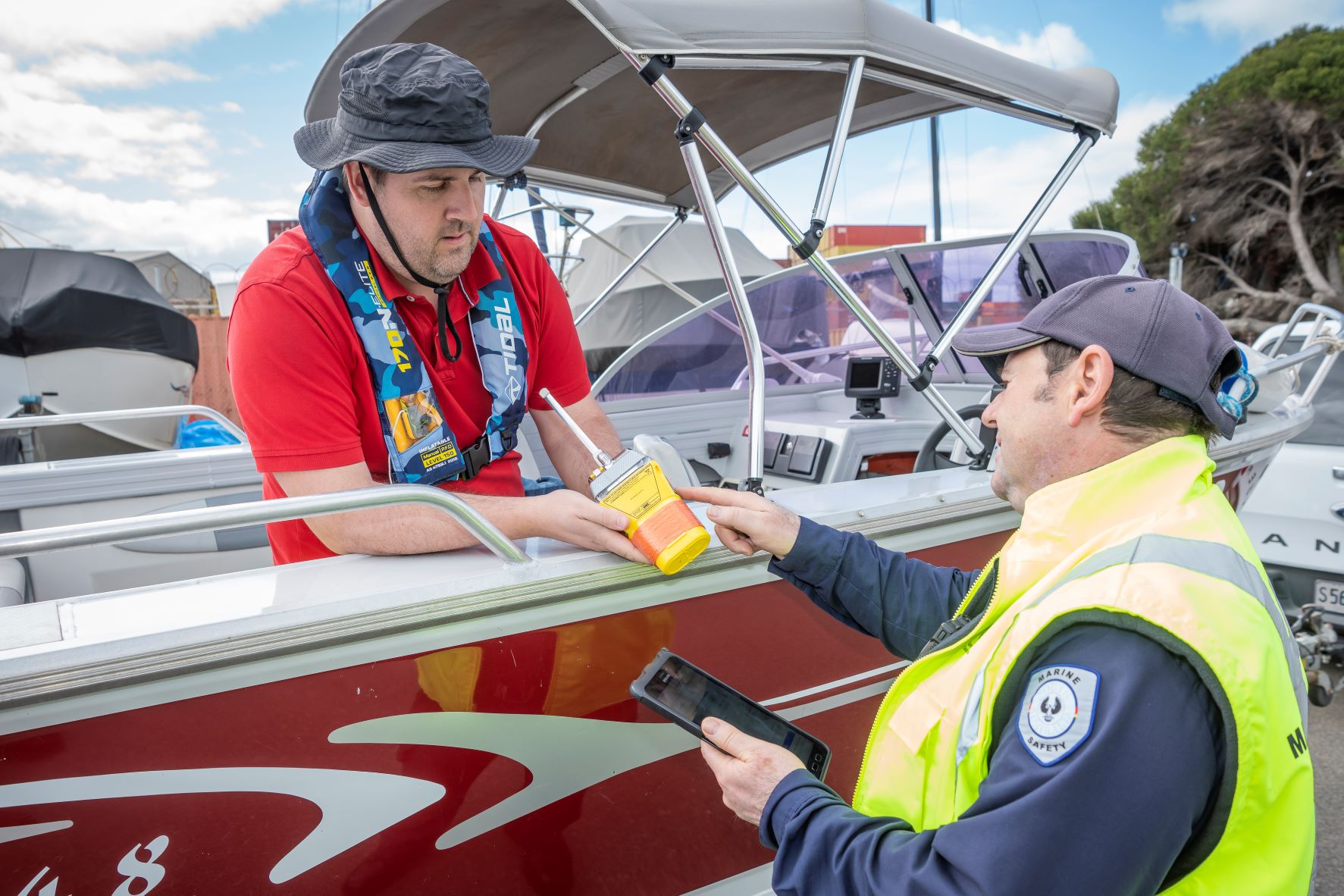
An EPIRB (emergency position indicating radio beacon) is an emergency distress beacon designed for vessels.
When an EPIRB is activated, it transmits a distress signal on 406 MHz to the Cospas-Sarsat satellite network and relays it to an AMSA Rescue Coordination Centre (RCC). If the EPIRB has an integrated GPS, the beacon's position is transmitted. This allows rescuers to determine a much more accurate location.
For an EPIRB to be an approved distress beacon for use in South Australian waters, it must:
- be capable of transmitting on a frequency of 406 MHz
- comply with AS/NZS 4280.1:2022 MHz satellite distress beacons - marine emergency position-indicating radio beacons (EPIRBs)
- be currently registered in your name with the Australian Maritime Safety Authority (AMSA)
- be located in an easily accessible spot on your vessel but protected from accidental damage or loss
- be maintained in good working order (including having a battery that is not past its expiry date).
When must you carry an EPIRB?
Vessels are required to carry an emergency beacon if they are:
- Recreational vessels:
- More than five nautical miles from shore in Gulf of St Vincent or Spencer Gulf.
- Three nautical miles from shore in other state waters, except Lakes Alexandrina or Albert.
When to use an EPIRB
You should only use an EPIRB when there is grave and imminent danger.
During an emergency, you should first try to communicate with others by using radios, phones and other signaling devices such as flares. Mobile phones can be used but should not be relied on as they can be out of range, have low batteries or become water-damaged.
If you accidentally activate your EPIRB, switch it off immediately and notify the Australian Rescue Coordination Centre as soon as possible on 1800 641 792.
How to activate an EPIRB
The EPIRB will carry printed instructions on it on how to activate it. You should be familiar with these instructions.
Watch this short video with instructions on how to activate an EPIRB.
To activate the EPIRB:
- Take the device from its cradle.
- Raise the antenna.
- Activate the switch.
- Unravel the lanyard (cord) from the device and attach to the vessel, life-raft, or your lifejacket.
- When you are sure it is attached, throw the device into the water.
Don't hold on to the EPIRB because is designed to work best when floating in the water.
What is a PLB?
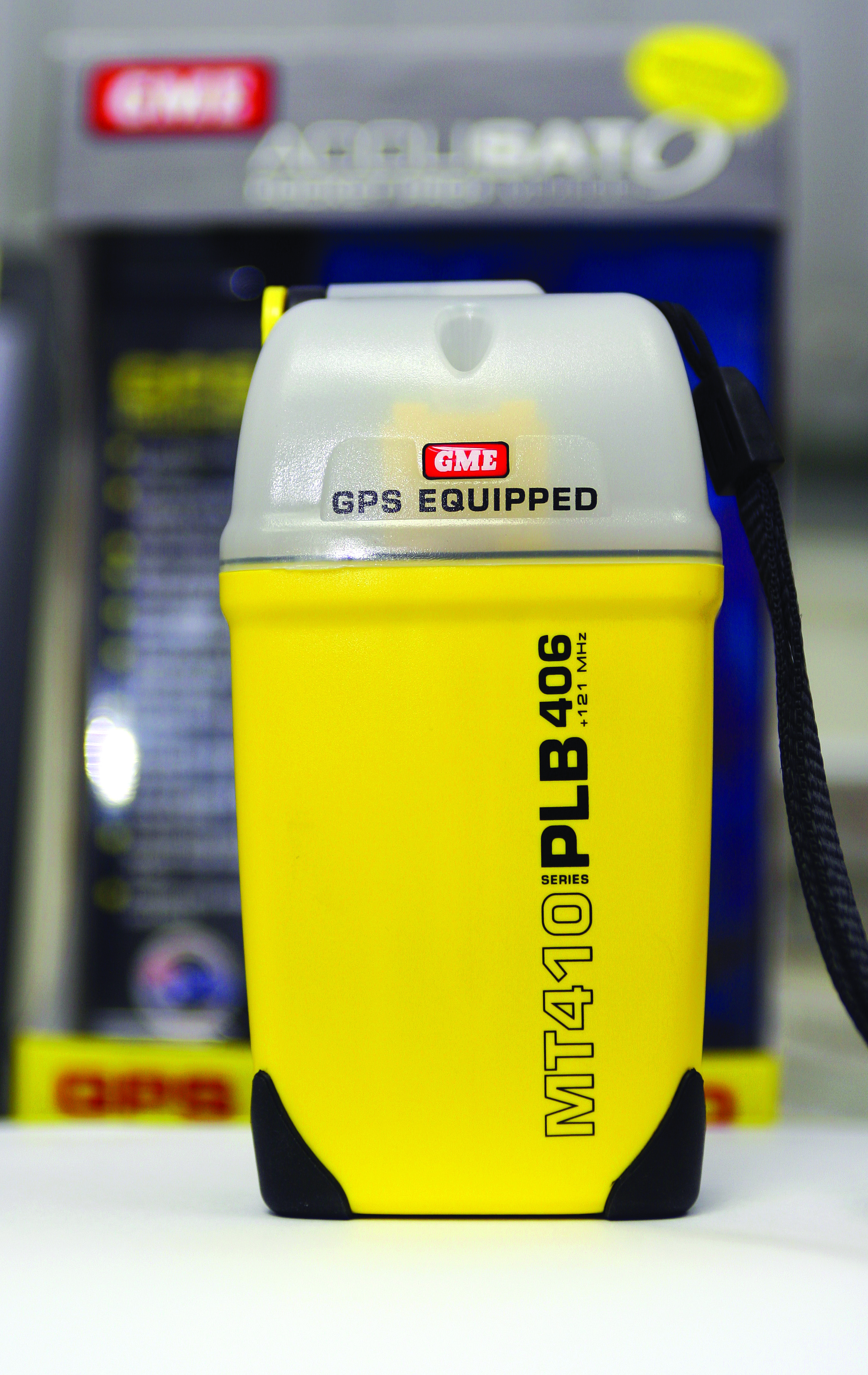
A PLB is a portable device that, when activated, sends a distress signal to alert emergency services that you are in trouble and need assistance.
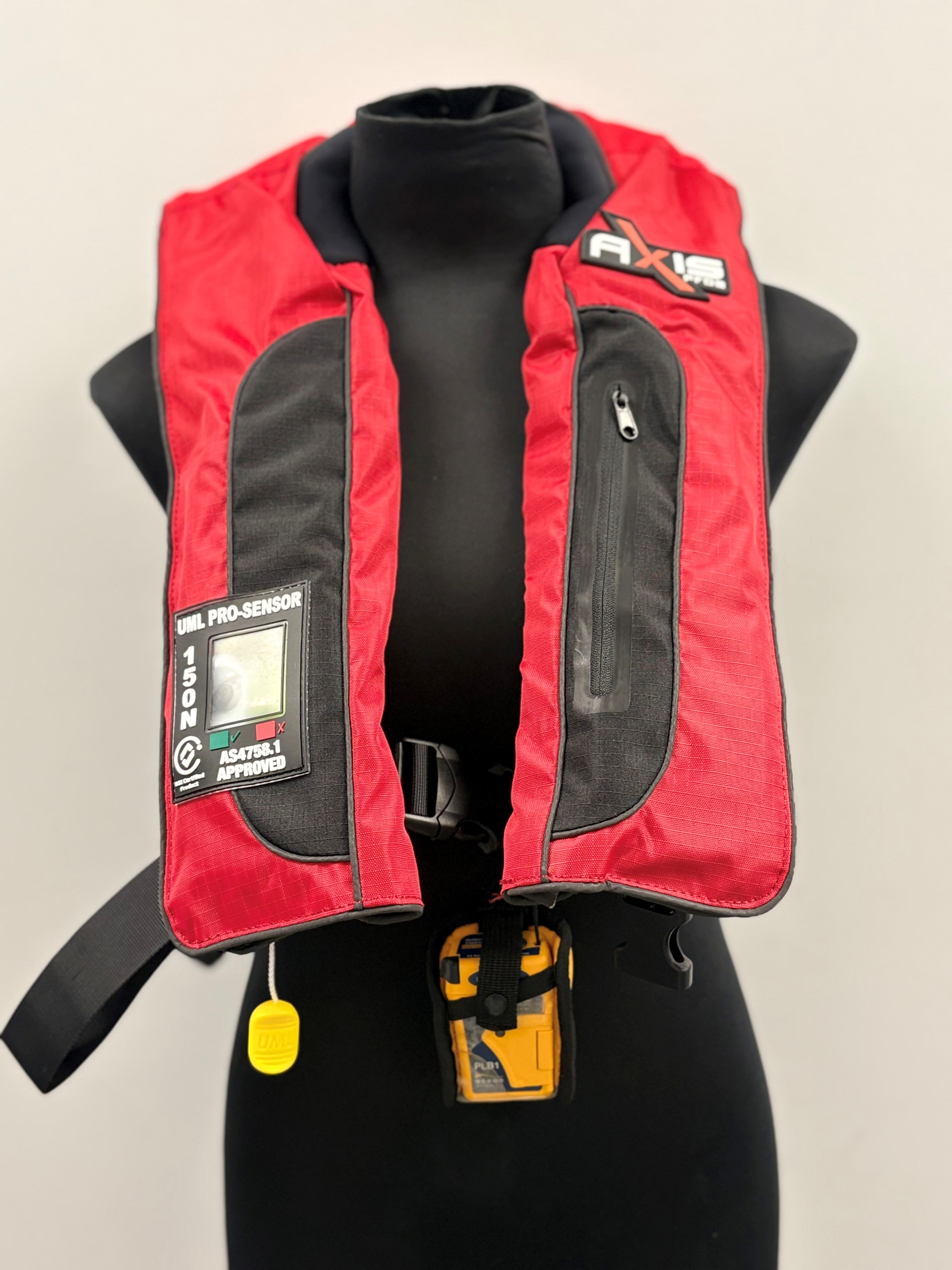
PLBs are small, light and can be worn on your lifejacket or clothing. They allow quick use if you fall overboard, cannot access your EPIRB, or become separated from your vessel. However they do not replace the requirement to carry an EPIRB.
PLBs are commonly used by solo boaters and paddlers.
Your PLB must:
- meet the Australian and New Zealand standard (AS/NZS) 4280.2
- be registered with AMSA.
When you can carry a PLB
It is recommended to have a PLB with you at all times.
If you are operating in unprotected waters more than 3 nautical miles from shore, carrying a PLB does not meet the requirement to carry an EPIRB..
How to activate a PLB
To activate a PLB:
- Extend/deploy the antenna fully (the exact method varies by manufacturer) and keep the antenna vertical if possible.
- Press and hold the ON/SOS button until the activation light begins flashing and fully extent the antenna. Some models require a protective cover to be lifted first.
- Place the PLB where it has the clearest possible view of the sky. Avoid covering the antenna with your body, clothing, or equipment.
- Leave the PLB switched on continuously and stay near it unless unsafe to do so. Search and rescue authorities use the signal to locate you.
Note, PLBs do not float vertically, you will need to hold it.
Registering an EPIRB or PLB
Registration is free and you can register your beacon online.
You can also get forms to post, fax or email your registration to Australian Maritime Safety Authority. For more information, call 1800 406 406 during office hours.
A registered 406 MHz beacon will allow the Australian Maritime Safety Authority's rescue coordination centre to retrieve valuable information that will assist with your rescue from the registration database.
You can also register your trip itineraries, so when a beacon is activated the rescue coordination centre will know your current movements and be better placed to organise a rescue.
Disposal of unwanted distress beacons
Unwanted beacons should be disposed of safely. Information on how unwanted distress beacons should be disposed of is provided on the Australian Maritime Safety Authority (AMSA) website.